
Why buy silver rounds?
People have been investing in metals as far back as the fourth century B.C.
Why buy silver rounds?
People have been investing in metals as far back as the fourth century B.C.
Why buy silver rounds?
People have been investing in metals as far back as the fourth century B.C.
Why Buy Silver Rounds?
People have been investing in metals as far back as the fourth century B.C., and investing and collecting precious metals remains popular today--particularly in the face of economic instability.
Silver rounds are an easy and transportable way to ensure you truly own your wealth. Their value is recognized the world over and they can be used as tools for barter. Additionally, silver is an excellent hedge against inflation. There really is no investment quite like it.
What is the difference between silver rounds and sovereign silver bullion?
Silver rounds are normally produced by private mints. Sovereign silver bullion or coins are produced by governmental mints, and may be nominally marked with a currency value (such as an American Silver Eagle, which has a face value of one dollar).
That is the basic difference: a silver round was produced by a private company and has no face value.
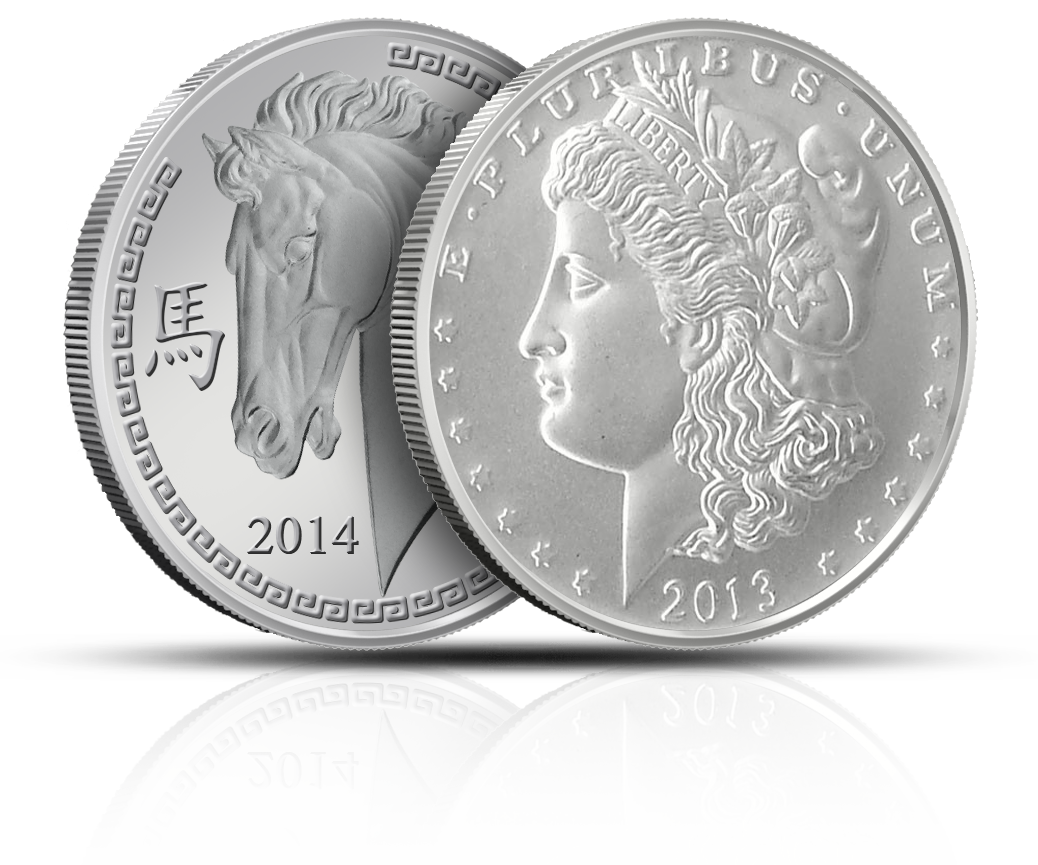
Because these trusted private mints are not governmental agencies, they have much more freedom, resulting in more creative, visually interesting, and unique designs. This means that the silver round market is far more varied and complex.
Some private mints even produce rounds that pay homage to governmental bullion, allowing the investor to get all the silver without a high premium.
Silver rounds also come in many weights, from small-size fractional pieces up to 5 ounce rounds.
Silver rounds are often produced in a more limited number and can therefore be great collectors’ items. More than other types of investment bullion, silver rounds speak to the individuality and personality of their owner--there is a piece for everyone.
Who produces silver rounds?
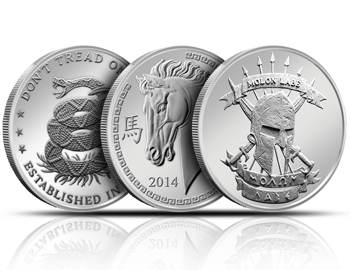
Silver rounds are produced by a number of reliable and high-quality private mints in the United States and around the world. Each mint has a different history that affects the type and style of the rounds they produce. If you are buying from a reputable dealer like Provident Metals, all the silver rounds will be at least .999 fine and ISO9001 certified, guaranteed.
Some of the better known private mints include:- Ohio Precious Metals
- NTR Metals
- Engelhard
- Johnson Matthey
- Golden State Mint
- Sunshine Mint
- Heraeus
- Provident Mint
Other private mints also produce excellent products. Research their origins and standards before you buy.
Why Invest in Silver Rounds?
Silver rounds tend to have some of the lowest premiums, particularly when compared to sovereign coins, but still are comprised of .999 pure silver, meaning you will save money when you buy silver rounds.
Additionally, they’re fun to collect! Because silver rounds are minted privately, they feature creative designs and stunning images, even more than governmental coins. There is a silver round to match every one of your interests!
Whether you are buying silver as a collector or as a way to save your wealth, silver rounds will help you build up your stack quickly with pure and interesting designs.
Buy Silver Rounds
As the web’s leading dealer of Silver Rounds, Provident Metals provides the large selection and affordable pricing investors look for.
To invest in Silver Rounds, browse our site for prices and availability, and place your order at anytime of day through our secure online ordering system.
If you have any questions or prefer to place an order by phone, feel free to contact one of our Account Executives toll-free at (877) 429-8790 from 8 a.m. - 6 p.m. CST Monday through Friday.